
For a healthier life, the beauty of our landscape, and to improve the quality of air, we should all grow trees. But sometimes removing a tree can save our landscape and help keep us healthier. That’s because of dead or dying trees, disease or pest infestation, structural damage, and even landscaping or construction needs. We’ll understand why tree removal is important when trees reach the end of their lives. Knowing when and, most importantly, Knowing how to do it the right way is crucial when working with your tree care professionals — especially if you’re looking for expert Tree Removal services.
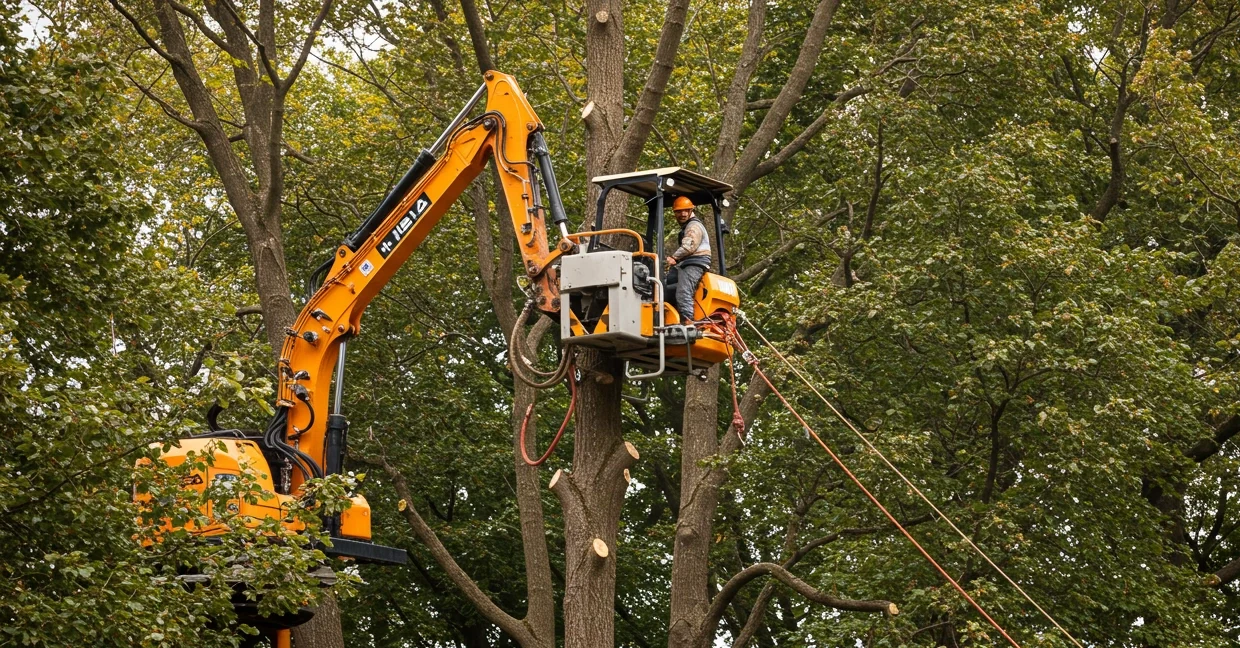
Signs That a Tree Needs to Be Removed
As we discussed earlier, trees are important for our landscape beauty and human well-being. But what if they harm human and tree lives, outweighing the benefits they provide? A damaged, diseased, or dying tree can pose serious risks to your property, safety, and other healthy trees around it. That’s where Your Tree Removal services come in—to help safely remove hazardous trees before they cause damage. Let’s look at some signs that a tree may need to be removed.
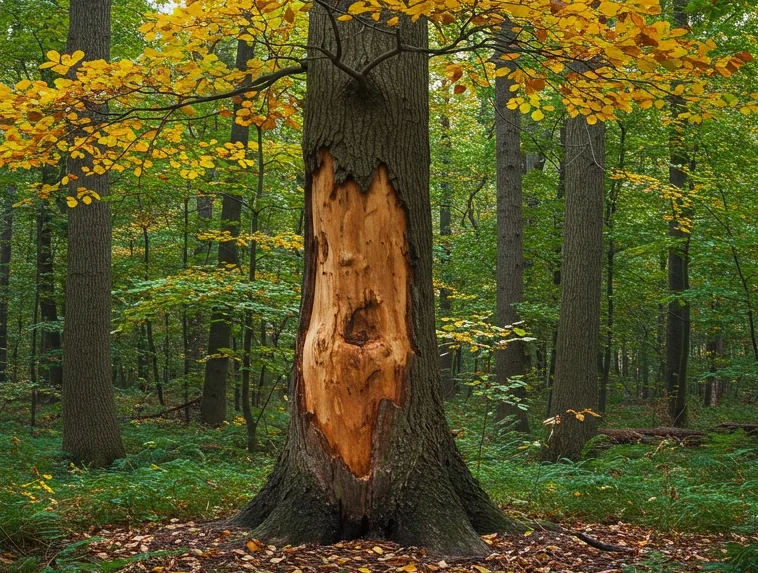
Dead or Dying Tree
When the tree is no longer growing new leaves, and has weak branches, shows signs of rot and is likely dead or dying. Over time it falls unexpectedly and harms anyone’s life, property, or the landscape that we want to keep safe, beautiful, and beneficial. 50% of the tree is dead, now it’s time to consider removal before it becomes a big problem for the other trees, society, or ourselves.
Severe Disease or Pest Infestation
When the diseases start infecting trees, they show you the signs such as changing color, cracks in the trunk, or fungus growing at the base. The trees are weakening because of Pests like termites, bark beetles, and carpenter ants. If the disease spreads, more trees will be in danger, so removing the tree is often the best way to protect other plants and trees.
Structural Damage from Storms or Root Issues
Have you noticed any trees near you affected by the storm’s strong winds or heavy rains? Perhaps one is swaying precariously, waiting to fall and potentially harm someone seeking shelter beneath its branches. But seriously, it’s a serious threat. Trees leaning more than 15 degrees can suffer significant root damage, leading to sudden collapse. In such cases, Your Tree Removal services can provide the safest and most effective solution.
Hollow or Weak Trunk
When the tree structure is not properly aligned, it can’t be considered as a healthy tree. Due to it’s longer instability, it may break or cause branches to fall
Branches Are Falling Frequent
While it’s normal for trees to drop small branches, breakages of many branches, or frequent dropping, especially big limbs, then it is not a good sign. If branches are falling in calm weather, the tree may not be able to support itself.
Too Close to Structures or Power Lines
Any tree spying in your home? Or just up on your windows with its branches? If any of these roots or branches are closer to your house, garage, or power lines, it is a big risk. Roots can damage underground pipes or foundations, and overhanging branches can fall on your roof or power lines. If the tree is becoming a danger, Your Tree Removal services might be your best option for keeping your property safe.
Tree is Damaging Foundation or Sidewalk
A tree causes damage to house foundations as well as sidewalk structures.
Heading expansion in tree roots can harm sidewalks alongside driveways as well as house foundations. The only solution to prevent additional foundation damage that can be caused is to remove that tree.
Unwanted Growth or Crowding Other Trees
The area available to a tree may become too small while its roots actively battle with neighboring trees for essential light and nutrients. Trees that stop other growing vegetation or create problems in your yard should be removed.
Step-by-Step Process For The Tree Removal
This is not an easy task––to cut down a tree and clear the area. Careful planning, professional expertise, and the right tools are required. Let’s break it down into 4 parts, how we remove the tree that is not beneficial but harmful.
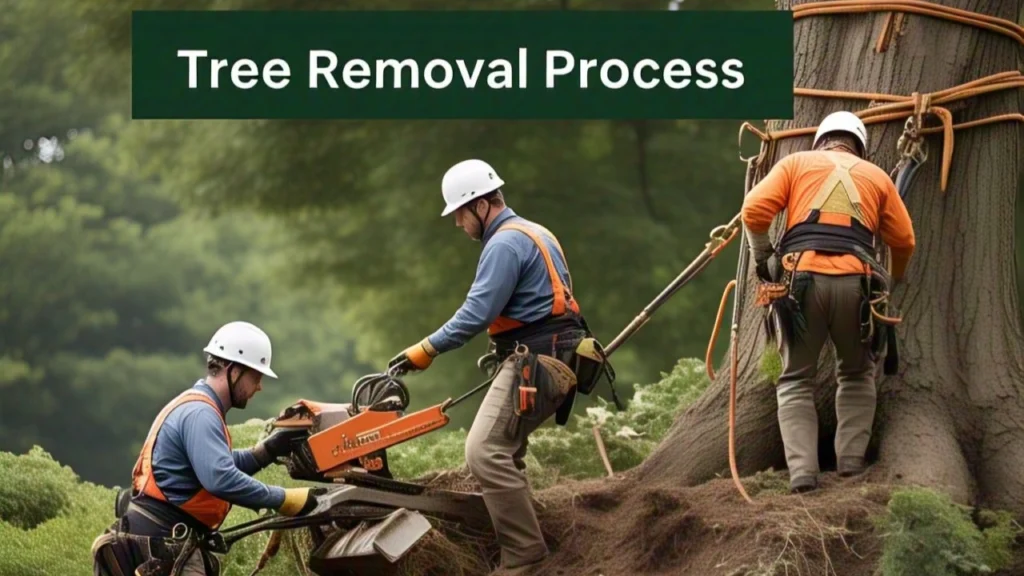
Assessment and Permits
Before a professional starts removing a tree, they will inspect the tree’s health and standing stability and risk assessment. Most U.S. cities require permits for big and protected trees. This process ensures compliance with local regulations and prevents unnecessary removal.
Safety Precautions
Safety is the main concern during the process. The arborist will wear protective gear including gloves and helmets and have a safe evacuation route established. Property, around the tree location, all power lines, and people in the area will be protected from damage or accidents.
Cutting Techniques
Top-down cutting means starting the tree-cutting process by removing sections from the top down to the bottom. This method works best in tight spaces. Directional felling means making an angled cut to steer the tree to fall in a safe direction while avoiding surrounding buildings. Both techniques are commonly used by professionals to ensure safety and precision in urban environments.
Stump Removal or Grinding
The tree debris will be treated after cutting to stop future growth by stump removal or grinding to stop regrowth and pests. Stump grinding allows you to start landscaping or replanting after the process as it’s minimal invasion.
DIY Removal vs. Hiring Professionals
● DIY Risks:
- Risk of injury (falling, chainsaw accidents).
- Potential property damage if the tree falls in the wrong direction.
- Lack of necessary equipment.
Why Hire a Professional?
- Experts have the proper tools and experience for safe removal.
- They understand local laws regarding tree disposal.
- They ensure efficient cleanup and disposal of debris.
Call Us To Prevent Danger
- We can’t cut down a tree just because we want to — trees give us oxygen and support life. But sometimes, removal is necessary when a tree poses a risk to our safety, property, or environment. That’s where Your Tree Removal services comes in. A sick or dying tree can infect healthy ones, and a weak or leaning tree can fall and cause serious damage. Expanding roots can crack foundations and sidewalks, leading to costly repairs.
Not sure if a tree on your property needs removing? Don’t wait for the problem to become a real one. We can help with tree assessments and safe removals. Call us today for expert removal services and keep your property safe and beautiful!